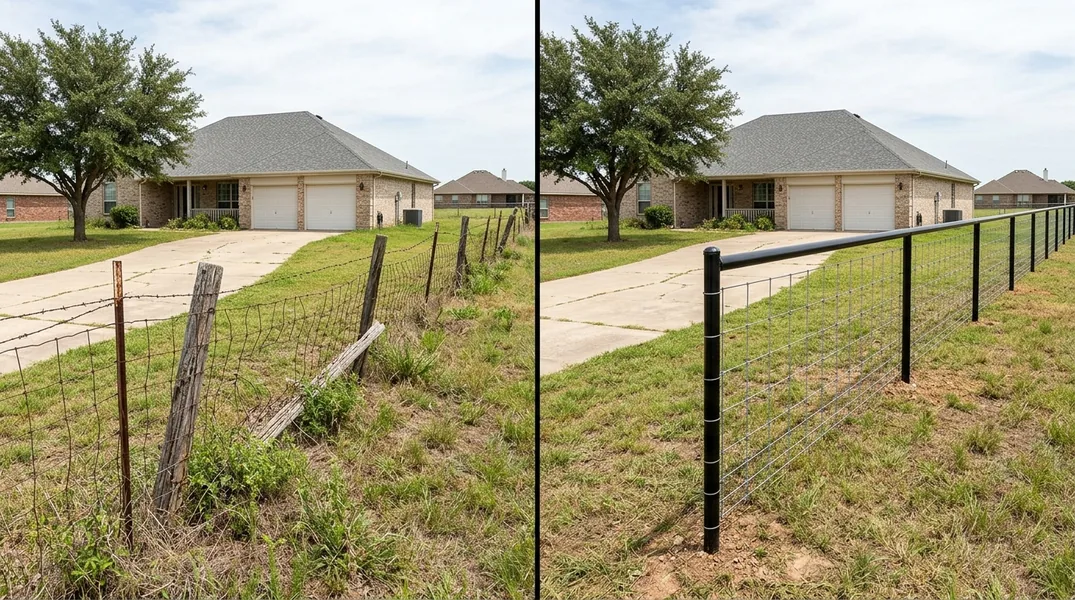
Understanding Fort Worth's Clay Soil Problem
Fort Worth sits on some of Texas's most challenging soil conditions. The region's thick, expansive clay layer swells dramatically when wet and shrinks when dry, creating a cycle of ground movement that wreaks havoc on fence installations. This isn't a minor cosmetic issue. Homeowners across the area watch their fences lean, twist, and develop gaps as the soil beneath shifts with seasonal rainfall and drought patterns.
The problem intensifies because many property owners don't understand what's happening underground. They see a leaning fence and assume poor installation, when in reality the soil itself is moving inches up and down throughout the year. This natural phenomenon affects everything from foundation settling to fence post stability, making Wood & Privacy Fence Installation in this region fundamentally different from installation in areas with stable soil composition.
Do I Need a Permit for a Fence in Fort Worth?
Yes, Fort Worth requires a permit for most fence installations. The city's Code Compliance Department oversees fence permits to ensure installations meet setback requirements, height restrictions, and neighborhood standards. Skipping the permit process might seem like a money saver, but it creates serious problems. If an inspector discovers an unpermitted fence, you may face fines, removal orders, or complications when selling your property.
The permit process protects both you and your neighbors. It ensures your fence doesn't violate setback lines (typically three feet from property lines in residential zones), respects height limitations, and complies with any homeowners association rules that may apply to your property. Most professional fence companies handle the permitting process as part of their service, which simplifies the entire installation from start to finish.
Fence Height Regulations: What Fort Worth Allows
Fort Worth's fence height regulations depend on your fence's location and purpose. In residential areas, front yard fences are typically limited to four feet in height, while backyard fences can reach six feet. Corner lots have additional setback requirements to maintain sight lines for traffic safety. These regulations exist to preserve neighborhood aesthetics and prevent sight obstructions that could cause accidents.
If you're considering a privacy fence in your backyard, the six-foot maximum gives you substantial screening without violating city code. However, corner properties face stricter rules, and some neighborhoods with active homeowners associations may impose even lower limits. Before purchasing materials or scheduling installation, verify your specific property's requirements. Your free estimate from Fort Worth Fence Company should include a review of these local regulations specific to your address.
HOA Approved Fence: Navigating Neighborhood Restrictions
If your property falls within a homeowners association, you're dealing with an additional layer of approval beyond city permits. Many HOAs maintain strict design standards, material specifications, and color requirements for fences. An HOA approved fence might need to match existing neighborhood aesthetics, use specific materials like vinyl or ornamental iron, and conform to architectural guidelines that go beyond city minimums.
The HOA approval process typically requires submitting plans or photos before installation begins. Some associations demand pre-approval, while others conduct inspections after completion. Violating HOA rules can result in fines, mandatory removal, or legal disputes with your neighbors. When working with a professional fence installer, verify that they understand your HOA's specific requirements. Fort Worth Fence Company has extensive experience navigating HOA requirements across our service area and can guide you through the approval process to ensure your fence meets every requirement before a single post goes in the ground.
Fence Permit Cost in Fort Worth: What to Budget
Fort Worth's fence permit cost typically ranges from $50 to $150, depending on the project scope and complexity. This fee covers the city's review of your plans, site inspection, and issuance of the permit. While the permit itself is relatively affordable, the real expense comes from the fence installation itself. Wood & Privacy Fence Installation costs vary significantly based on materials, linear footage, soil conditions, and labor requirements.
When budgeting for your fence project, factor in the permit cost, materials, labor, and any soil preparation needs specific to Fort Worth's clay conditions. Professional installation that accounts for expansive soil movement may cost more upfront than a basic installation, but it prevents expensive repairs down the road. Request a detailed pricing breakdown that includes all components so you understand exactly what you're paying for. Fort Worth Fence Company provides transparent estimates that help you make informed decisions about your investment.
How Proper Installation Prevents Fence Leaning
The key to preventing fence leaning in North Richland Hills and surrounding areas lies in understanding soil movement and installing accordingly. Professional fence installers in clay-heavy regions use deeper post holes, concrete footings that extend below the soil's active zone, and sometimes helical anchors or specialized post brackets designed to accommodate ground movement. These techniques cost more than standard installation but virtually eliminate the settling and leaning problems that plague improperly installed fences.
Experienced contractors also consider drainage patterns and soil composition when planning fence routes. They may recommend slight adjustments to post placement or suggest alternative materials like vinyl or aluminum that flex better than wood when soil shifts. The investment in proper installation methodology pays dividends over the fence's lifespan. A fence installed correctly from the start remains straight and functional for decades, while a bargain installation might need realignment or replacement within five to ten years. When you contact Fort Worth Fence Company at (817) 632-6893, our team evaluates your specific soil conditions and recommends installation methods that ensure your fence stays straight and stable for years to come.
Looking for a professional tree service in Fort Worth? Fort Worth Fence Company responds fast for all your fence needs.
Get a Free Quote