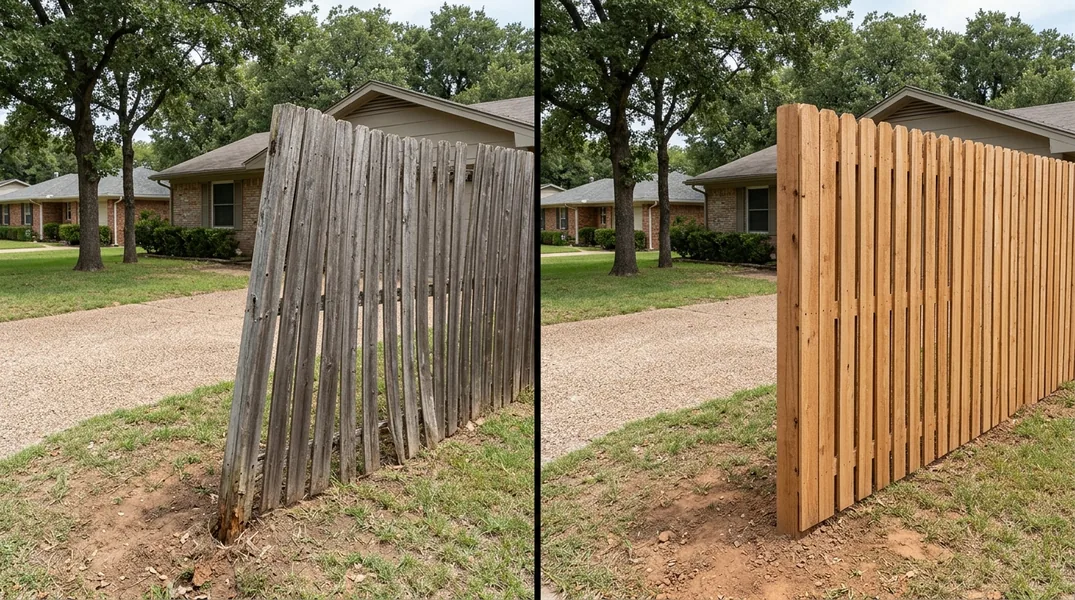
Understanding HOA Fence Requirements in Southlake and Colleyville
If you own a home in Southlake or Colleyville, your homeowners association likely has strict guidelines about fence materials, height, color, and placement. Before you invest in a new fence, it is essential to review your HOA's CC&Rs (Covenants, Conditions, and Restrictions) and architectural guidelines. These documents outline exactly what types of fences are permitted on your property and what approval process you must follow.
Many HOAs in the Southlake and Colleyville area prohibit certain materials entirely or restrict them to specific locations on your lot. Some associations require fences to match a neighborhood aesthetic, while others mandate that fences remain set back a certain distance from the street. Violating these rules can result in fines, mandatory removal of your fence, or legal action. The good news is that most HOAs are reasonable and will approve a well-designed fence that complies with their standards. Taking time upfront to understand these requirements saves you money, frustration, and potential conflict with your neighbors.
Vinyl vs Wood Fence: Which Material Meets HOA Standards
When choosing between Vinyl & PVC Fence Installation and Wood & Privacy Fence Installation, both materials are commonly approved by HOAs in Fort Worth and surrounding communities. The key difference lies in how each material performs over time and how it aligns with your HOA's aesthetic preferences.
Vinyl fencing has become increasingly popular in upscale neighborhoods because it maintains a uniform, polished appearance year after year. Vinyl does not rot, splinter, or require painting, which appeals to HOAs concerned with neighborhood curb appeal and long-term maintenance standards. However, vinyl can look plastic or artificial to some homeowners, and it may not fit the traditional aesthetic that some Southlake and Colleyville HOAs prefer. Wood fencing, on the other hand, offers a classic, natural look that many HOAs favor for residential areas. Wood can be stained or painted to match neighborhood color schemes, and it blends seamlessly with landscaping. The trade-off is that wood requires regular maintenance to prevent rot, warping, and insect damage, which some HOAs monitor closely.
Before making your choice, contact your HOA board or review the architectural guidelines to see if either material is preferred or restricted. Some associations have a list of approved fence contractors, which can streamline the approval process. Fort Worth Fence Company works regularly with HOA communities and understands the specific requirements in your area, so discussing your HOA rules with us early on ensures your fence will be approved before installation begins.
Best Low Maintenance Fence Material for HOA Compliance
If your HOA emphasizes property maintenance and neighborhood appearance, choosing a low-maintenance fence material is a smart investment. Vinyl fencing stands out as the best low maintenance fence option available today. It requires no staining, painting, sealing, or repairs beyond occasional cleaning with a garden hose. This durability appeals directly to HOA boards that want to ensure all properties maintain consistent visual standards without ongoing upkeep issues.
Vinyl's resistance to weather, pests, and rot means your fence will look the same in year five as it does on installation day. For homeowners in Southlake and Colleyville who travel frequently or prefer to spend their time on hobbies rather than fence maintenance, vinyl eliminates the stress of annual upkeep. Additionally, vinyl does not splinter or fade unevenly, which means your HOA will have fewer grounds to request repairs or repainting. If your HOA has specific color requirements, vinyl's consistent finish ensures you stay compliant without worrying about weathering or discoloration.
Wood fencing, while beautiful, demands regular maintenance to meet most HOA standards. Staining or painting every three to five years, treating for termites, and addressing rot or warping are common requirements. Some HOAs will even require photographic proof that wood fences are being maintained properly. If you prefer the look of wood but want to minimize upkeep, discuss your maintenance plan with your HOA before building. Otherwise, vinyl may be the more practical choice for long-term HOA compliance.
Vinyl vs Wood Fence Cost: Budgeting for Your HOA-Approved Fence
When comparing vinyl vs wood fence cost, homeowners often assume wood is cheaper upfront. In reality, the initial expense is similar, but the total cost of ownership differs significantly. Vinyl typically costs slightly more to install than wood, but when you factor in maintenance expenses over ten to fifteen years, vinyl often proves to be the more economical choice overall.
Wood fencing usually costs less to install, but you must budget for staining or painting, sealant reapplication, termite treatments, and potential repairs from rot or weather damage. Over a decade, these maintenance costs can add up to hundreds or even thousands of dollars. Vinyl requires virtually no maintenance beyond occasional cleaning, so your total investment remains stable. For homeowners in Fort Worth who plan to stay in their homes long-term, vinyl's lower lifetime cost often justifies the slightly higher initial installation expense.
Your HOA may also influence which material makes financial sense. If your association requires fences to be repainted or refinished every few years, a wood fence becomes more expensive to maintain. Conversely, if your HOA prioritizes low-maintenance materials, choosing vinyl aligns with their standards and protects you from potential compliance issues that could lead to costly mandatory replacements. To get accurate pricing for your specific project and HOA requirements, contact Fort Worth Fence Company at (817) 632-6893 or request a free estimate. We can provide a detailed comparison of vinyl and wood costs for your situation.
Steps to Get HOA Approval Before Installation
Securing HOA approval before breaking ground on your fence project is non-negotiable. Start by obtaining a copy of your HOA's architectural guidelines and CC&Rs from your property management company or HOA board. These documents specify fence height limits, setback requirements, approved materials and colors, and the formal approval process. Most HOAs require homeowners to submit an architectural review request form along with detailed plans, including fence height, material specifications, color, and a site plan showing fence placement on your lot.
Once you have gathered the necessary information, prepare your submission materials. Include photos of the proposed fence style, product specifications from the manufacturer, and a clear diagram showing where the fence will be installed relative to property lines and existing structures. If you are working with Fort Worth Fence Company, we can help prepare these documents and ensure they meet your HOA's requirements. Many HOAs review requests within two to four weeks, but some may request revisions or ask for additional information. Plan for this timeline and avoid starting construction before receiving written approval in writing.
Common HOA concerns include fence height (usually capped at six feet in front yards and six to eight feet in rear yards), color consistency with neighborhood standards, and sight line clearance at corners and driveways. By addressing these concerns proactively in your submission, you increase the likelihood of quick approval. If your HOA denies your initial request, ask for specific feedback about what needs to change. Sometimes a minor adjustment to height, color, or placement is all that is needed to gain approval. Building a respectful relationship with your HOA board and demonstrating that you take their guidelines seriously goes a long way toward a smooth approval process.
Working with a Contractor Who Understands HOA Rules
Choosing the right fence contractor makes a significant difference when navigating HOA requirements in Southlake, Colleyville, and Fort Worth. A contractor experienced with HOA communities understands common approval requirements, knows which materials and styles are typically accepted, and can help you design a fence that complies with your association's standards from the start. Fort Worth Fence Company has installed hundreds of fences in HOA communities throughout the region and can guide you through the approval process while ensuring your fence meets the highest quality standards.
When you contact a contractor, be upfront about your HOA requirements. Ask whether they have experience with your specific HOA or similar communities in your area. A good contractor will ask to see your HOA guidelines and may even help you prepare your architectural review submission. They can also advise you on which materials and styles are most likely to receive approval, potentially saving you time and revision requests. Additionally, a reputable contractor carries liability insurance and obtains any required permits, which protects both you and your HOA. Before hiring anyone, verify that they are insured, and have strong references from past HOA projects.
Ready to move forward with your HOA-approved fence project? Contact Fort Worth Fence Company today at (817) 632-6893 or fill out our free estimate form. We will review your HOA requirements, discuss your material options, and provide a transparent quote for your project. Let us handle the details so you can enjoy a beautiful, compliant fence that enhances your home and satisfies your HOA.
Looking for a professional tree service in Fort Worth? Fort Worth Fence Company responds fast for all your fence needs.
Get a Free Quote