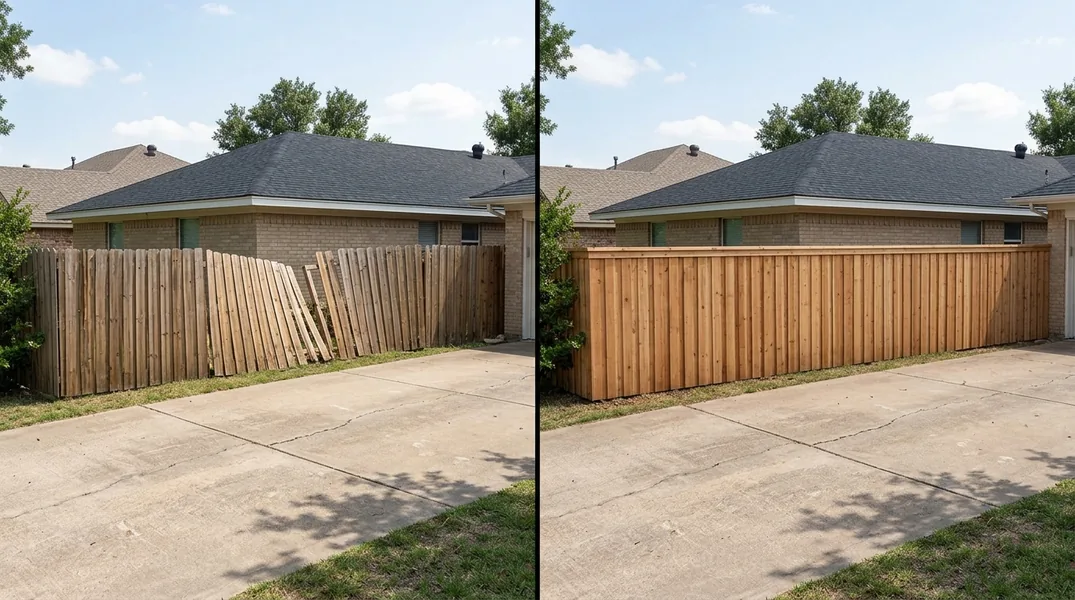
Spring Storms and Hail: The Hidden Threat to Your Fort Worth Fence
Fort Worth springs can arrive with beautiful blooms, warm weather, and unfortunately, severe hail storms that wreak havoc on residential fences. If you've lived in the area for more than a few years, you know that March through May brings unpredictable weather patterns, including the kind of hail that can dent vehicles and damage roofs. What many homeowners don't realize is that their fences are equally vulnerable to this seasonal punishment.
Hail damage to fences isn't always immediately obvious. While large stones might leave visible dents or cracks, smaller hail can cause subtle damage that worsens over time. Wood fibers become compromised, paint and sealant wear away, and structural integrity gradually declines. The problem compounds when you consider that a damaged fence weakens faster during the next storm, creating a cycle of deterioration that becomes expensive to repair if left unaddressed.
Whether you have a Wood & Privacy Fence Installation or another fence type, understanding how spring storms affect your property is the first step toward protecting your investment. Fort Worth homeowners should inspect their fences after every significant storm to catch damage early.
How Hail Damage Manifests in Different Fence Types
Not all fences respond to hail damage in the same way. Wood fences, while beautiful and popular in Fort Worth, are particularly susceptible to hail impact. When large hailstones strike wooden boards, they can splinter the surface, create deep gouges, or even crack boards completely. These aren't just cosmetic issues; they compromise the fence's ability to shed water, allowing moisture to penetrate the wood and accelerate rot.
Vinyl & PVC Fence Installation options fare somewhat better in hail storms, though they're not immune. Vinyl can become brittle in cold weather, and direct hail impact can crack panels or cause permanent discoloration. The good news is that vinyl damage is often easier to address than wood damage, since individual panels can be replaced without affecting the entire fence structure.
Chain Link Fence Installation typically handles hail well, though the metal can dent and the vinyl coating (if present) can tear. Aluminum & Ornamental Iron Fencing also resists hail reasonably well, though ornamental details can bend or break under severe impact. The key is inspecting your specific fence type after storms to identify damage before it spreads.
Inspecting Your Fence After Spring Storms: What to Look For
After a significant hail event, set aside time for a thorough fence inspection. Start by walking the entire perimeter of your property, examining both sides of each panel or section. For wood fences, look for splintering, cracks running along the grain, soft spots (which indicate rot beginning), and areas where paint or sealant has been stripped away. Pay special attention to the top edges of boards, where hail impact is often most severe.
Check the fence posts and rails as well. Posts bear the structural weight of your fence, and damage here is more serious than damage to individual boards. If you notice posts leaning, cracked, or showing signs of rot, that's a signal to call a professional. Look at the ground around posts too; if you see settling or gaps appearing, water damage may be occurring beneath the soil surface.
For vinyl and metal fences, look for cracks, dents, discoloration, and bent sections. Document any damage with photos, as you may need these for insurance claims or when requesting a free estimate from a repair professional. Don't ignore small damage; spring and summer rain will find every crack and accelerate deterioration.
When to Repair vs. When to Replace Your Fence
Not every hail-damaged fence needs complete replacement. Minor cosmetic damage, like small dents in vinyl or light splintering on wood surfaces, can often be addressed with repairs and refinishing. If your fence is relatively new and damage is localized to a few boards or sections, replacement of those specific components might be the most cost-effective solution.
However, if your fence is older, already showing signs of wear, or if hail damage is extensive across multiple sections, replacement may make more financial sense. A fence that's already 15 to 20 years old and suffering significant storm damage is approaching the end of its useful life anyway. Investing in repairs at that point is often throwing good money after bad. This is where professional assessment becomes invaluable; a qualified fence contractor can evaluate whether your fence is worth repairing or if replacement is the smarter investment.
Consider too that replacing an old, damaged fence gives you the opportunity to choose a more durable material or design that better suits your needs. If you've been thinking about upgrading from wood to vinyl, or adding privacy features you currently lack, storm damage can be the catalyst for that improvement. Contact Fort Worth Fence Company at (817) 632-6893 to discuss whether your fence is a repair or replacement candidate.
Protecting Your Fence from Future Spring Storms
While you can't prevent hail storms, you can take steps to minimize damage and extend your fence's lifespan. Regular maintenance is your first line of defense. For wood fences, apply a quality sealant or stain every two to three years; this protective coating helps wood shed water and resist splintering when hail strikes. Inspect and repair small issues immediately before they compound. Keeping your fence well-maintained means it's less likely to suffer catastrophic damage when storms arrive.
Ensure your fence is properly installed and maintained structurally. Loose boards, weak posts, or corroded fasteners are failure points where hail damage spreads quickly. If you notice any structural issues during your post-storm inspection, address them before the next weather event. Some homeowners in North Richland Hills and surrounding areas have found that upgrading to more storm-resistant materials like vinyl or composite options provides peace of mind during severe weather season.
Document your fence's condition with photos before storm season each year. This creates a baseline for comparison and helps with insurance claims if significant damage occurs. Consider whether your homeowner's insurance covers fence damage; some policies do, while others have exclusions. Knowing your coverage helps you plan for potential repairs or replacement costs.
Professional Fence Repair and Replacement Near Me: When to Call Fort Worth Fence Company
If your inspection reveals significant hail damage, it's time to call a professional. Attempting major fence repairs without proper tools, experience, and knowledge of local building codes can lead to unsafe results or further damage. Fort Worth Fence Company specializes in assessing storm damage and providing expert repair and replacement solutions for all fence types.
Our team can evaluate your fence's condition, explain your options, and provide transparent pricing for whatever solution makes sense for your situation. Whether you need repairs to your existing fence or a complete replacement with new Wood & Privacy Fence Installation or another material, we have the expertise to handle it. We're familiar with Fort Worth's weather patterns, building codes, and the specific challenges local homeowners face.
Don't let hail damage linger and worsen. Contact us today at (817) 632-6893 or visit our website for a free estimate. We'll assess your fence, explain what happened, and outline your best options for moving forward. Spring storms are part of life in Fort Worth, but a well-maintained or professionally repaired fence will weather them successfully.
Looking for a professional tree service in Fort Worth? Fort Worth Fence Company responds fast for all your fence needs.
Get a Free Quote